On this page
⚡ TL;DR
A video script is the written blueprint for your video: what is said, what is shown, and in what order.
The reliable structure is hook, context, main content, and call to action, with the hook doing the heaviest lifting.
Write for the ear, not the page: short sentences, conversational tone, and one idea at a time.
A two-column script (visuals on one side, audio on the other) keeps filming and editing organized.
AI script writers can draft a full script from a short brief in seconds, then you refine it.
Most videos that flop do not fail in the edit. They fail on the page, before anyone hits record. A rambling script means a rambling video, and viewers scroll away in the first few seconds. A tight script, on the other hand, keeps people watching to the end and drives them to act.
The good news is that scriptwriting follows a formula you can learn in one sitting. This guide walks you through how to write a video script step by step, with a structure that works for almost any video, a simple template, and how to use AI to write faster.
What Is a Video Script?
A video script is a written plan for your video that lays out the spoken words, on-screen text, and visuals in the order they appear. It is the difference between showing up to film with a clear plan and improvising until something sticks.
A good script covers two things at once: what viewers hear (narration, dialogue, voiceover) and what they see (shots, b-roll, text, graphics). Keeping both in view as you write is what makes the final video feel intentional rather than thrown together.
Why Every Video Needs a Script

Even a casual, talking-to-camera video benefits from a script. Here is what a script buys you:
- Focus. It forces you to decide on one message instead of wandering through five.
- Pacing. You control where the energy rises and where you get to the point.
- Efficiency. Filming and editing go faster when you know exactly what you need.
- Retention. A planned hook and a clear arc keep viewers watching, which is what every platform algorithm rewards.
The Structure of a Great Video Script
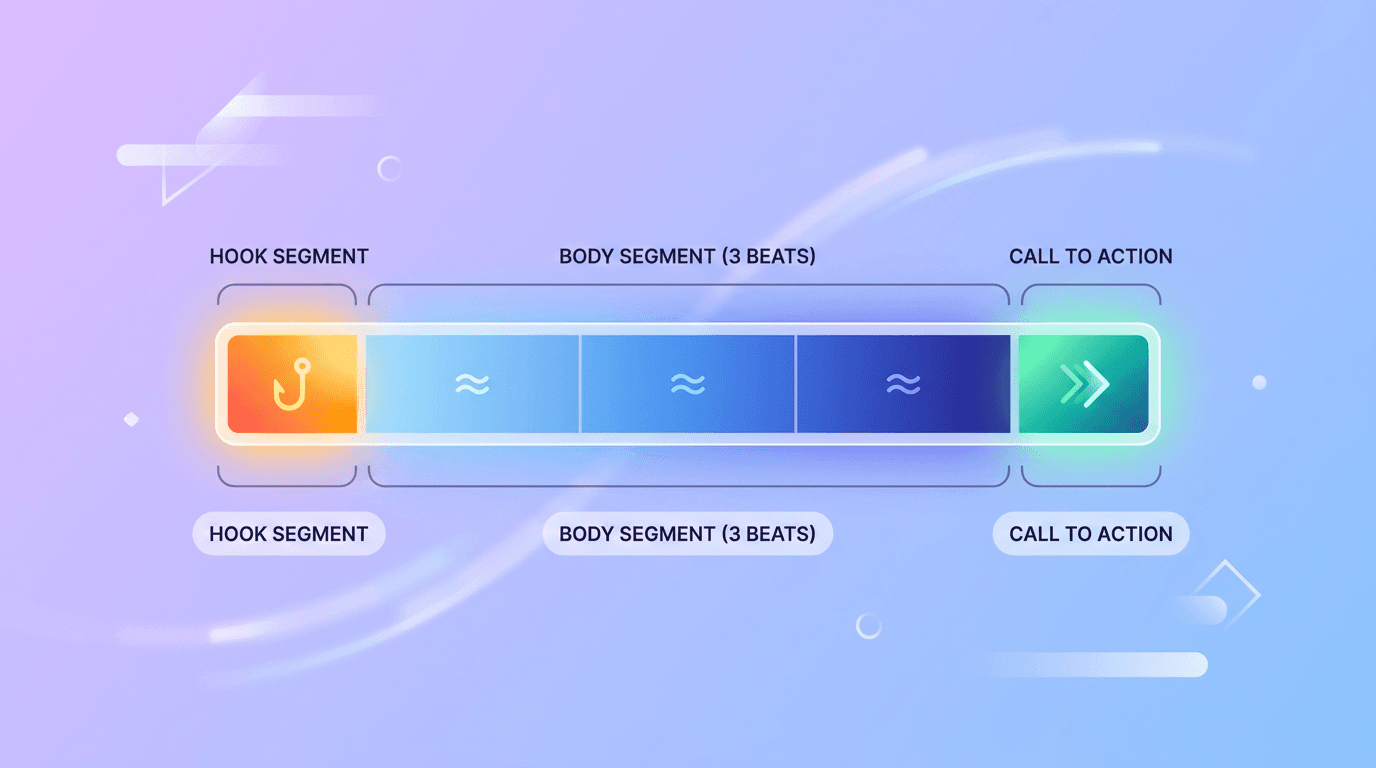
Nearly every high-performing video, from a 20-second Reel to a 10-minute YouTube video, follows the same four-part backbone.
1. The Hook (First 3 to 5 Seconds)
The hook is the most important line you will write. You have a few seconds before a viewer decides to keep watching or scroll away, so lead with your strongest material. Effective hooks include a bold claim, a surprising statistic, a relatable problem, or a question the viewer wants answered. Never open with a slow intro or a logo animation.
2. The Context (Set the Stakes)
Once you have attention, quickly tell viewers why they should care and what they will get. This is a single sentence or two that frames the payoff: "Here are three edits that doubled my watch time." Do not linger here. The context bridges the hook and the main content.
3. The Main Content (Deliver the Value)
This is the body of your video where you deliver on the promise of the hook. Break it into clear, logical points, and cover one idea at a time. Whether it is steps in a tutorial, benefits of a product, or beats in a story, keep each point tight and move briskly. Momentum is what holds attention through the middle, where most viewers drop off.
4. The Call to Action (Tell Them What to Do)
End by telling viewers exactly what to do next: subscribe, visit a link, try a product, or comment. One clear action, stated plainly. A video without a call to action leaves your goal to chance.
How to Write a Video Script: Step by Step
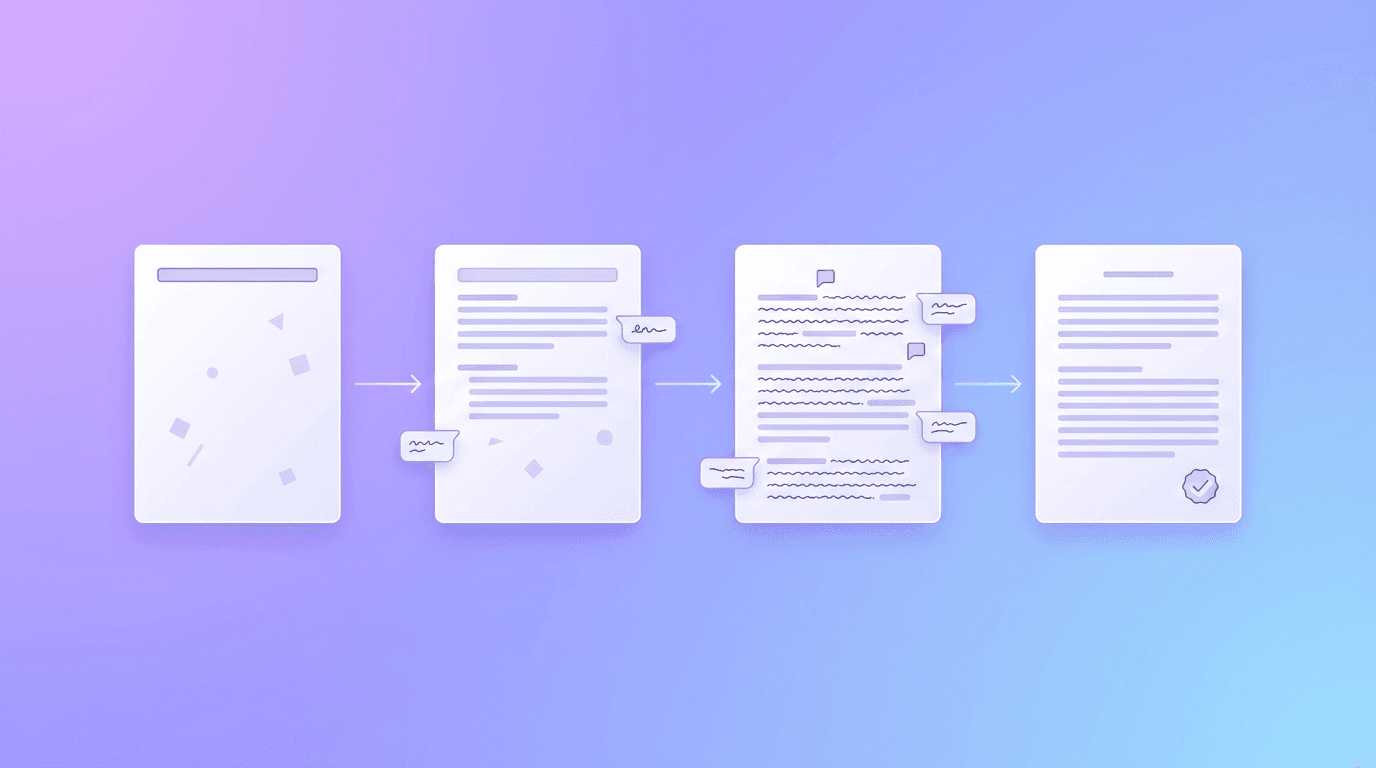
With the structure in mind, here is the actual writing process.
Step 1: Define Your Goal and Audience
Before writing a word, answer two questions: what is the one thing this video should achieve, and who is it for? A tutorial for beginners and a promo for existing customers call for completely different scripts. Clarity here keeps the whole script on track.
Step 2: Outline Before You Write
List your hook idea, your main points in order, and your call to action. An outline stops you from getting stuck on perfect wording too early and ensures the logic flows before you polish sentences.
Step 3: Write for the Ear, Not the Eye
Scripts are spoken, not read, so write the way people actually talk. Use short sentences, contractions, and simple words. Read every line aloud as you write. If it feels awkward to say, rewrite it. Formal, essay-style writing sounds stiff and robotic on camera.
Step 4: Use a Two-Column Format
Professional scripts use two columns: visuals on the left, audio on the right. This keeps what viewers see aligned with what they hear, and it makes filming and editing far easier.
| Visual (what they see) | Audio (what they hear) |
|---|---|
| Close-up of messy desk, fast cut | "Your videos are not boring. Your first line is." |
| Presenter to camera, text overlay | "Here is the 4-part structure pro creators use." |
| Screen recording of editing app | "Start with a hook that names the problem..." |
Step 5: Match the Length to the Platform
A good rule of thumb is about 2 words of script per second of video. A 30-second promo needs roughly 60 words, while a 3-minute explainer needs around 360. Trim ruthlessly, because a tighter script almost always outperforms a longer one. For platform-by-platform length targets, see our guide on how long a video ad should be.
Step 6: Read It Aloud and Cut
The final step is a read-through out loud, ideally with a timer. This catches clunky phrasing, spots where you lose energy, and lines that run long. Cut anything that does not earn its place. If a sentence does not serve the hook, the value, or the call to action, delete it.
How to Write a Video Script Faster With AI

Staring at a blank page is the slowest part of scriptwriting. AI script writers solve that by drafting a full script from a short brief. You describe the video (topic, audience, length, and tone), and the AI returns a structured first draft with a hook, body, and call to action that you then refine in your own voice.
Krumzi includes a built-in AI Script Writer designed exactly for this. You describe what you want, get a script draft, and can move straight into building the video around it, since Krumzi also generates the visuals and motion from a prompt. That turns the script-to-video pipeline into a single workflow instead of juggling separate tools. For the bigger picture on using AI across your content, see our practical guide to using AI for social media marketing.
A note on using AI well: treat the draft as a starting point. Rewrite the hook in your own voice, cut anything generic, and add specific details only you know. The AI handles structure and speed; you supply the personality.
Common Scriptwriting Mistakes to Avoid
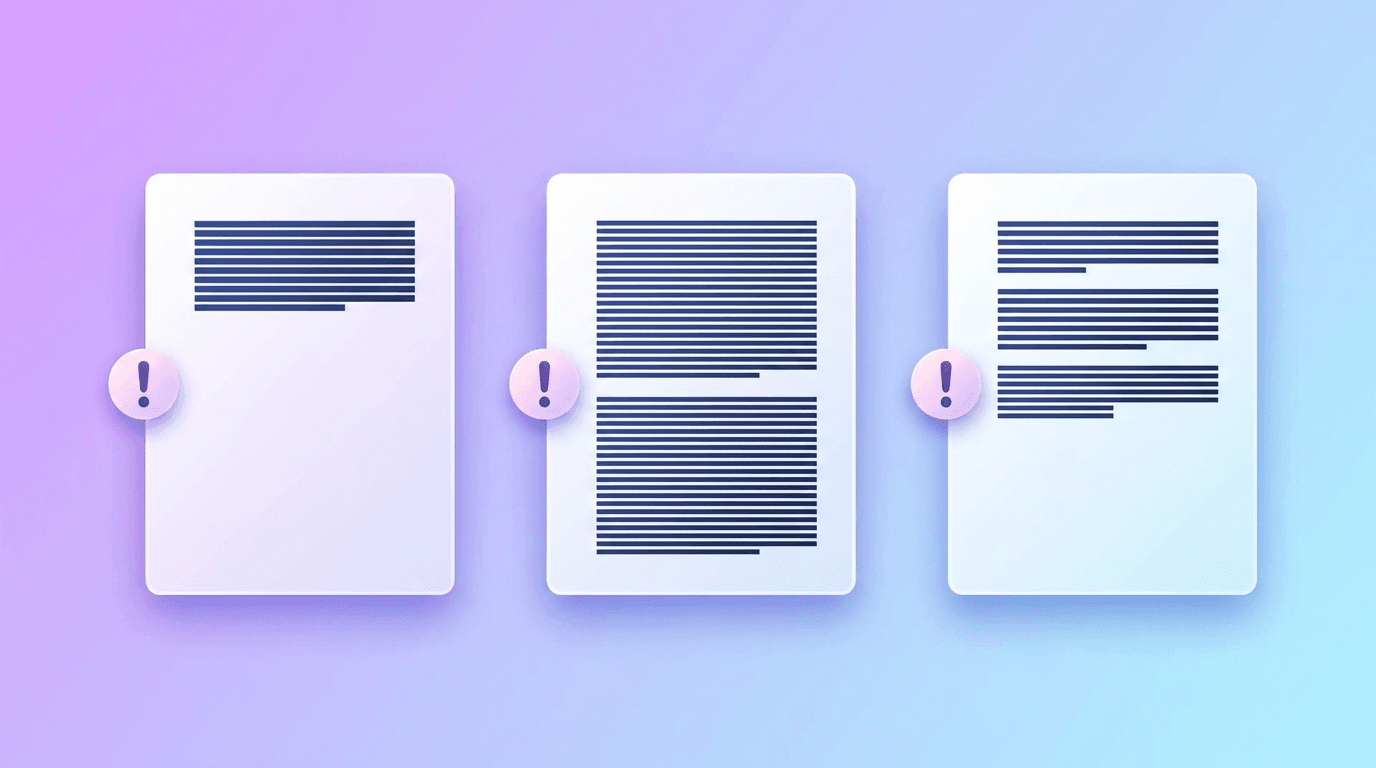
- A slow open. Burying the hook after 15 seconds of intro loses most of your audience.
- Writing like an essay. Long, formal sentences sound unnatural when spoken.
- Cramming in too much. One video, one core message. Save the rest for another video.
- No call to action. If you do not tell viewers what to do, they do nothing.
- Skipping the read-aloud. You only catch awkward lines by hearing them.
Frequently Asked Questions
How do you start a video script?
Start with a hook in the first 3 to 5 seconds: a bold claim, a surprising fact, a relatable problem, or a question your viewer wants answered. The opening line decides whether people keep watching, so write it first and make it your strongest. Avoid slow intros and logo animations.
What format should a video script be in?
Most video scripts use a two-column format: visuals on the left, spoken audio on the right. This keeps what viewers see aligned with what they hear and makes filming and editing easier. For simple talking-to-camera videos, a single column of narration with brief shot notes also works.
How long should a video script be?
Aim for about 2 words per second of finished video. That means roughly 60 words for a 30-second video and about 300 words for a 2.5-minute one. Always err on the shorter side, since tight scripts hold attention better than long ones.
Can AI write a video script for me?
Yes. AI script writers can draft a full script from a short brief covering your topic, audience, length, and tone. The best approach is to use the AI draft as a structured starting point, then rewrite the hook and key lines in your own voice and add specific details the AI would not know.
What makes a video script good?
A good video script has a strong hook, one clear message, a logical flow, conversational language written for the ear, and a single call to action. It respects the viewer's time by cutting anything that does not move the video forward.
Start Writing Better Scripts
A strong script is the highest-leverage thing you can do to improve your videos, because everything downstream depends on it. Lead with a hook, set the stakes, deliver one clear message, and close with a single call to action. Write the way you talk, read it aloud, and cut without mercy.
If the blank page is your bottleneck, let an AI script writer draft the structure, then make it yours. From there, you are ready to film or build the video around it.
Related reading:
A month of posts, designed before your coffee cools
Describe the post. Krumzi designs it from scratch, on your brand, fully editable.
Make your first design freeFree to make, no card. Only pay if you download it.